
How we started our thatch fire retardant business
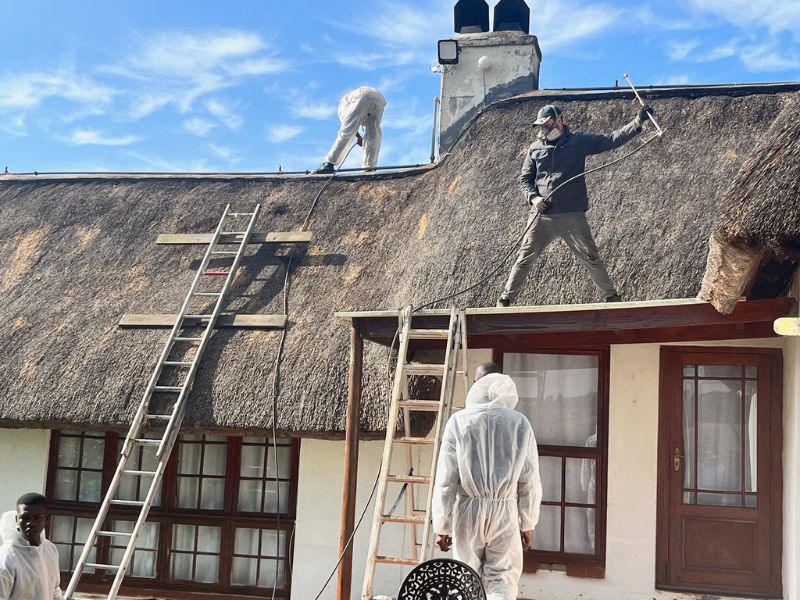
ThatchX is a family-run business based in Rossetta in KwaZulu-Natal, South Africa. After running a successful fire safety company for the past 28 years, the family realised that they could venture further into fire prevention with thatch fire retardant. So they managed to get the required training done and purchased all the necessary equipment for applying the retardant to thatch.
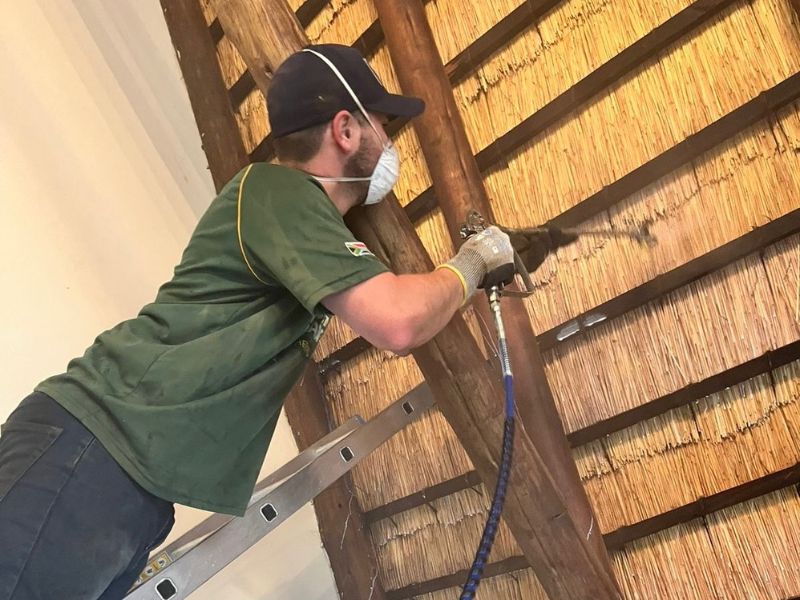
No Project Too Big Or Too Small
Years in Fire Safety
Roofs Protected
Team Members
Protect Your Thatch Roof with ThatchX Fire Retardant
Thatch roofs offer a unique charm and character to homes, but they also pose a significant fire risk. With the dry South African climate, the potential for a devastating thatch fire is a constant concern. Fortunately, innovative solutions are emerging to mitigate this risk.
By applying an industrial fire retardant to your thatch roof, you’re investing in peace of mind. This protective coating acts as a barrier, slowing the spread of flames in the event of a fire. This crucial extra time can be the difference between a minor incident and a catastrophic loss.
We’ve Been in the Fire Safety Industy for 28 years

Call for A Quote
(083) 303-6813
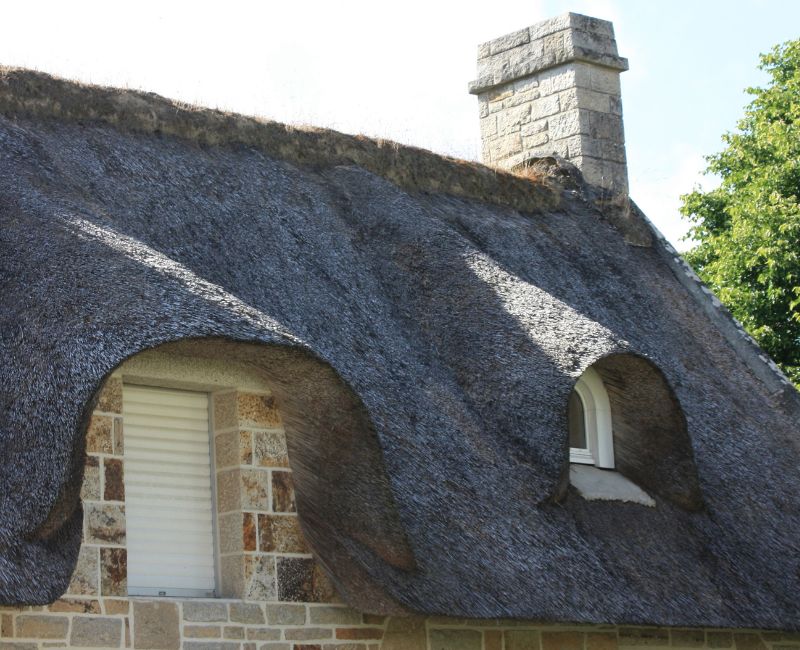
Extend the Lifespan of your Thatch Roof
Beyond fire protection, a fire-retardant-treated thatch roof can also contribute to the longevity of your roofing material. It increases the resistance to mould and mildew and helps protect against the elements, such as UV rays and harsh weather conditions, which can degrade thatch over time.

FAQs
How Effective is the Fire Retardant Treatment?
A fire retardant treatment significantly reduces the risk of fire damage to a thatch roof. While it doesn’t make the roof completely fireproof, it acts as a crucial line of defense.
Here’s how it works:
- Slows fire spread: The treatment creates a barrier that slows down the rate at which flames spread across the thatch. This gives firefighters more time to contain the fire.
- Reduces fire intensity: The treatment can help to reduce the intensity of the fire, limiting the damage caused.
It’s important to note that the effectiveness of the treatment depends on various factors, including the type of thatch, the application method, and the specific fire retardant used.
ThatchX’s fire retardant is specifically formulated for thatch roofs and has undergone rigorous testing to ensure its effectiveness.
Does the Treatment Affect the Appearance of the Thatch?
One of the primary concerns about treating a thatch roof is how it will impact its aesthetic appeal. You want to protect your home without compromising its charm.
The good news is that modern fire retardant treatments are designed to be virtually invisible. They won’t alter the natural color or texture of your thatch. You can rest assured that your thatched roof will retain its beauty after the treatment.
However, it’s essential to choose a reputable company like ThatchX that uses high-quality products and experienced applicators. This ensures that the treatment is applied evenly and without damaging the thatch.
How Often Does the Treatment Need to Be Reapplied?
The frequency of reapplying fire retardant to your thatch roof depends on several factors, including:
- Climate: Areas with high levels of rainfall or intense sunlight may require more frequent reapplications.
- Thatch type: Some thatch materials may absorb the treatment more quickly than others.
- Product used: The specific fire retardant and its formulation can influence the treatment’s longevity.
Typically, a fire retardant treatment can last anywhere from 3 to 5 years. However, it’s essential to have your roof inspected regularly to assess its condition and determine if a reapplication is necessary.
ThatchX recommends annual inspections of your treated roof to ensure ongoing protection. Our experts will evaluate the thatch’s condition and advise you on the best course of action.
Does the Treatment Affect the Insulation Properties of the Thatch?
A common concern is whether applying a fire retardant to a thatch roof will impact its insulating properties. You want to maintain a comfortable indoor climate while protecting your home from fire.
The good news is that modern fire retardant treatments are designed to have minimal impact on the insulation properties of thatch. They are formulated to be lightweight and breathable, allowing the roof to maintain its natural insulating capabilities.
However, it’s essential to choose a reputable company like ThatchX that uses high-quality products. Our fire retardant is specifically designed to preserve the insulating benefits of your thatch roof while providing superior fire protection.
How much does the treatment cost?
The average cost per square meter is R100 -R150 depending on the condition of the thatch.
How long does the treatment process take?
The time required is weather-dependent. If there are guests in the rooms, that would need to be considered because the treatment is rather pungent.
Is there any downtime required after the treatment?
Downtime is not a legal requirement, a few hours with the windows open is acceptable, however, if it’s a guesthouse we recommend a day or two to let the building air out.
Do you offer any warranties or guarantees?
No.
Does the treatment prevent fires from starting?
It is a very effective retardant. However, is not 100 % proof. It will not prevent a fire from starting but will slow down the spread drastically.
How does the treatment slow down the spread of fire?
With the treatment, the fire will spread at a rate of 1m per 30 minutes. The chemical reaction from the heat releases a further chemical which extinguishes the flame.
Can the treatment be used on different types of thatch?
Yes.
All thatch unless the thatch is very old and thin. In which case we advise you to get new thatch or get your thatch thickened before we do the application.
What other safety measures should you take?
Yes, if the building has a fireplace, extra precautions need to be taken. For instance, a double-coated and double-insulation around fireplaces and chimneys. We apply an extra layer of retardant for a square meter around the chimney on both the inside and the outside.